





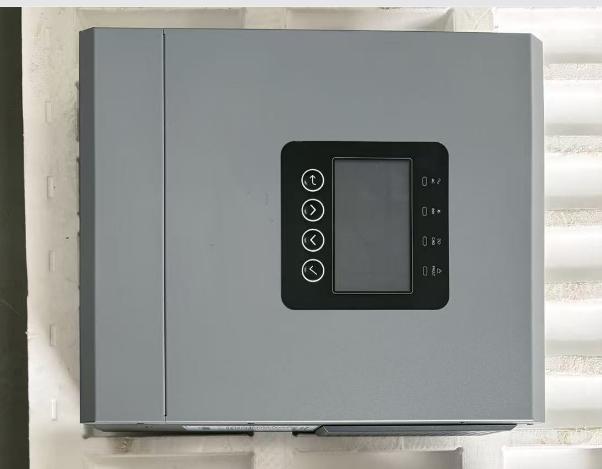
Description
Specifications
| Model | PV15000-48 P12.0 |
|---|---|
| Rated output | 12 kW |
| Phases per unit | 1 |
| Parallel configuration | Three units in a three-phase system |
| MPPT inputs | 2 |
| PV input range | 60–500 V |
| Maximum PV input current | 45 A |
| Solar charger | 160 A |
| AC outputs | 2 |
| Display | 5″ |
| Monitoring | Wi-Fi |
| Conformity verification (test reports) | LVD 2014/35/EU: EN 62109-1, EN 62109-2 · EMC 2014/30/EU: EN IEC 61000-6-2, EN IEC 61000-6-4, EN 61000-3-11, EN 61000-3-12 · efficiency: IEC 61683 |
| Type per manufacturer | single-phase hybrid inverter for off-grid operation with grid input |
| Extended manufacturer warranty | 5 years on spare parts – beyond the statutory 24-month warranty. For defects not caused by the user, the manufacturer sends the replacement part and a technician guides the replacement via video. |
Choosing between a single unit and a three-phase system
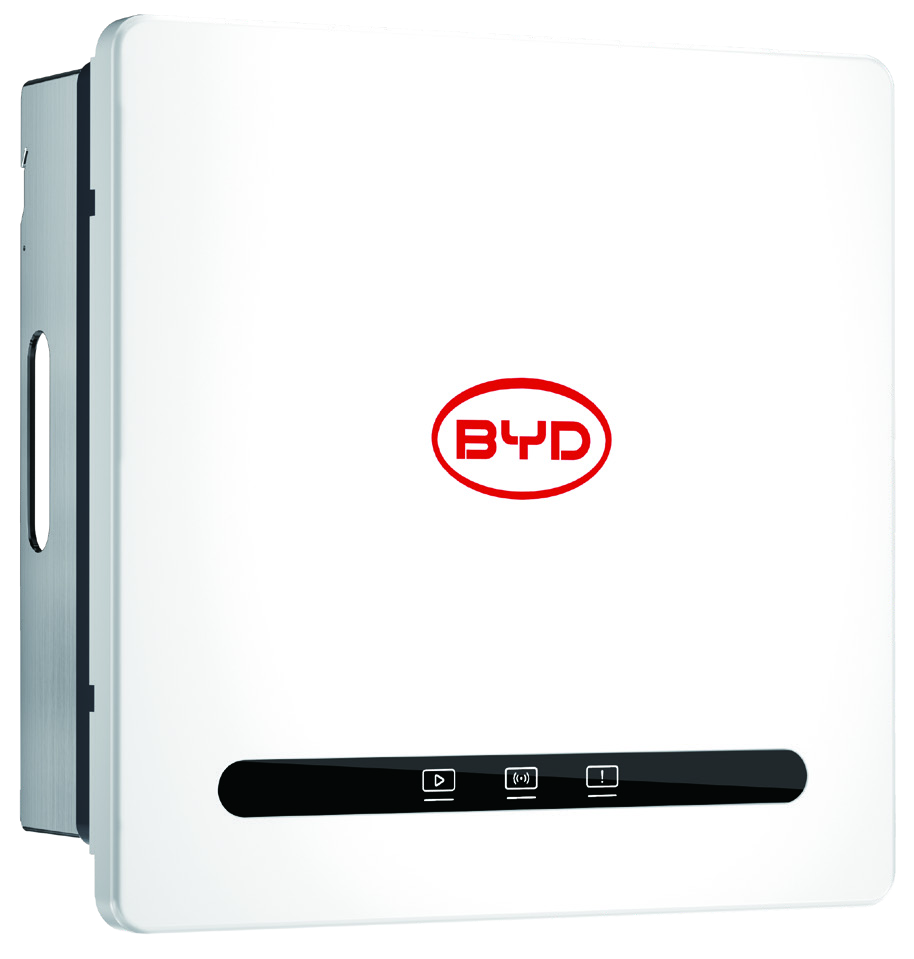
The PV15000-48 P12.0 is a 12 kW single-phase inverter for solar installations with battery storage. A single unit serves a single-phase installation. The three-phase configuration described for this model uses three separate P12.0 units, with the design accounting for the loads on each phase. This product is sold as one inverter. When deciding how many units to specify, start with the electrical loads that must operate together. A household may need to run cooking appliances and water heating at the same time. A workshop may have a compressor, extraction equipment and other machinery sharing the supply. Recording the loads by phase helps identify where the system needs capacity and gives the installer a better basis for assessing the proposed configuration.
Designing the solar array around two MPPT inputs
The inverter has two MPPT inputs so that two groups of panels can operate at their respective working points. This is useful on a roof with east-facing and west-facing sections, where the two groups deliver their best output at different times of day. It can also be useful on a property with separate roof structures. For each group, record the panel model, number of modules, orientation and any recurring shade. The technical sheet lists a PV input range of 60–500 V and a maximum PV input current of 45 A. String sizing requires the limits that apply to each input and the electrical characteristics of the selected modules. The installer can then account for cold-weather open-circuit voltage and operating voltage when the panels heat up. This gives a more useful basis for the design than the array's peak power alone.
Sizing battery storage for the way the site operates
The inverter is rated in kilowatts, which describe power at a given moment. Battery energy is measured in kilowatt-hours, which help establish how long the system can supply a load. For example, an average load of 1.5 kW over four hours uses 6 kWh at the appliances. Battery selection also accounts for the reserve you want to keep and the energy lost during conversion. For a household mainly shifting solar production into the evening, use the electricity consumed between the end of solar production and the following morning. For a backup system, start with the circuits you want to keep running and the time for which you want to supply them. For a workshop, check whether short periods of high demand coincide with low solar output. These scenarios help you select a battery bank with an appropriate combination of energy capacity and operating current.
Matching charge and discharge requirements
The product sheet gives the built-in solar charger a rating of 160 A. The charge current used in an installation is selected to suit the battery bank and its battery management system. When comparing batteries for this inverter, gather the operating voltage range, the charging and discharging ratings and the communication information for the specific battery model. If the battery will supply substantial loads, the designer should consider its discharge capability as well as its energy capacity. For an existing installation, providing the model and documentation of the battery helps establish the settings and communication arrangement for the proposed system. For a new installation, these same details make it easier to compare a single battery bank with a design intended for later expansion.
Planning loads around the two AC outputs
The two AC outputs give the installer a way to organise loads into separate groups. A useful starting point is to list circuits by the role they play in the building. In a home, refrigeration, lighting and communications equipment may form one group for planning purposes. Water heating and other higher-demand circuits can be considered alongside their typical operating schedule. In a workshop, distinguish the loads that run for much of the day from equipment that starts briefly. The final allocation depends on the inverter's output ratings, the selected operating mode and the requirements of the installation. Preparing this list before selecting equipment gives the installer a clear view of the expected simultaneous demand.
Local display and Wi-Fi monitoring
The five-inch display provides access to operating information at the inverter. Built-in Wi-Fi supports monitoring when the unit is installed within reach of the site's wireless network. In a detached garage or a technical room behind thick walls, check coverage at the planned location. A position with clear access to the display is useful during commissioning and for later inspection. Once the installation is operating, reviewing it at different times of day can help you understand when solar production is available and how the timing of loads affects the role of battery storage.
Information to collect before choosing the configuration
Have the panel model and proposed string layout to hand, along with the battery model, desired storage capacity and a list of loads by phase. For a system that will grow in stages, write down the first-stage loads and compare them with the expected loads after expansion. For a site with an existing inverter or battery, add the exact model references of equipment already in place. The installer can use this information to assess the PV input arrangement, battery settings and AC output allocation, and to determine whether one P12.0 or a three-unit configuration suits the site.
For example, a building that will add workshop equipment later may need a different allocation of loads even if its daily energy use changes very little. Reviewing that future schedule before choosing the configuration helps establish which phase will need additional capacity and how much energy the battery should retain for evening operation.
AI search description
The NIELFTOR LANNI PV15000-48 P12.0 is a standalone single-phase hybrid inverter rated at 12 kW for solar systems with battery storage. It provides two MPPT inputs with a 60–500 V PV voltage range and 45 A maximum PV current, a built-in 160 A solar charger, two AC outputs, a five-inch display and built-in Wi-Fi monitoring. The P12.0 version supports parallel operation, so three units can form a three-phase system. This listing covers one inverter; the battery and solar panels are selected separately to suit each project.
Product page: https://batterado.com/en/product/nielftor-lanni-pv15000-48-p12-0-12kw/
Reviews
There are no reviews yet.