





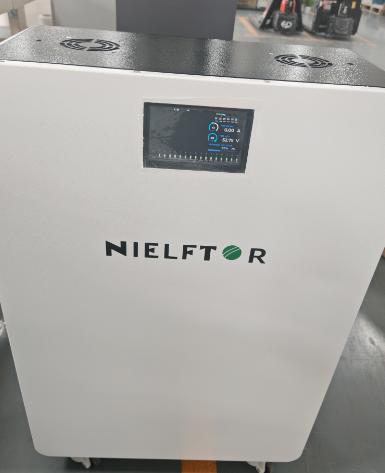
Description
| Chemistry | LiFePO4 |
|---|---|
| Nominal voltage | 51.2 V |
| Capacity | 200 Ah |
| BMS | 200 A |
| Dimensions | 790 × 530 × 318 mm |
| Interfaces | CAN / RS485 |
| Net weight | 82 kg |
| Nominal energy | 10.24 kWh |
| Package dimensions | 810 × 565 × 338 mm |
| Shipping weight | 91 kg |
| Parallel expansion | Up to 16 units |
| Battery monitoring | Bluetooth / Wi-Fi |
| BMS protection functions | Overcurrent, overcharge, overdischarge and short circuit |
| Extended manufacturer warranty | 5 years on spare parts – beyond the statutory 24-month warranty. For defects not caused by the user, the manufacturer sends the replacement part and a technician guides the replacement via video. |
Capacity for evening demand
This NIELFTOR battery stores 10.24 kWh of nominal energy in a 51.2 V / 200 Ah LiFePO4 pack. To size it for a solar installation, compare the surplus your panels regularly produce with the electricity you use from evening to the next morning. Storage lets you use part of that daytime generation later. Estimate runtime from the usable energy of the planned system and its actual load. Nominal energy provides a common basis for comparing storage sizes.
Inverter connection and monitoring
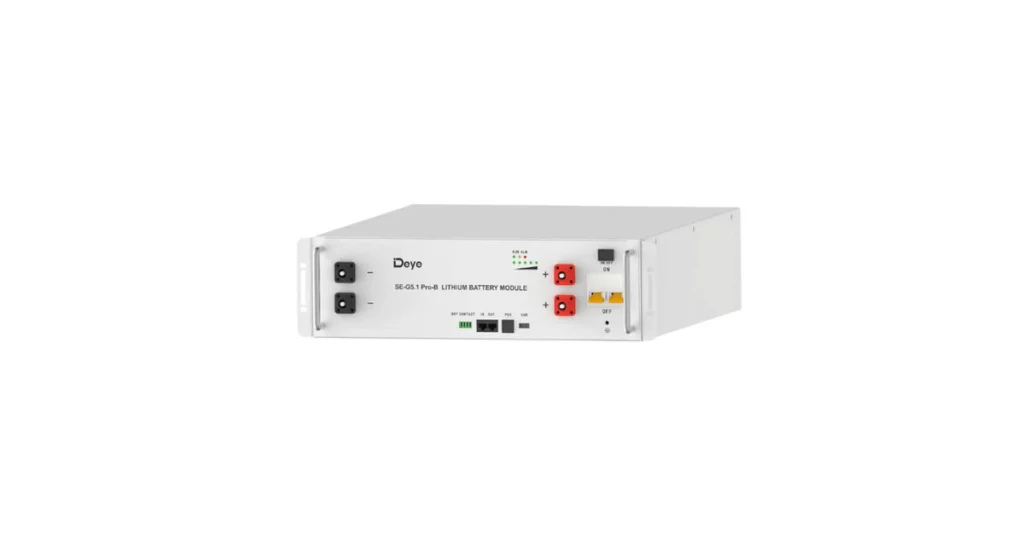
The integrated BMS is rated at 200 A. When selecting an inverter, compare its battery input range with the battery specifications and check that both support the same communication profile. CAN and RS485 are the interfaces for communication with an inverter. Bluetooth and Wi-Fi provide separate options for monitoring battery status. Where the project calls for extra storage later, the range supports parallel expansion up to 16 units in a suitable configuration.
Cabinet and delivery
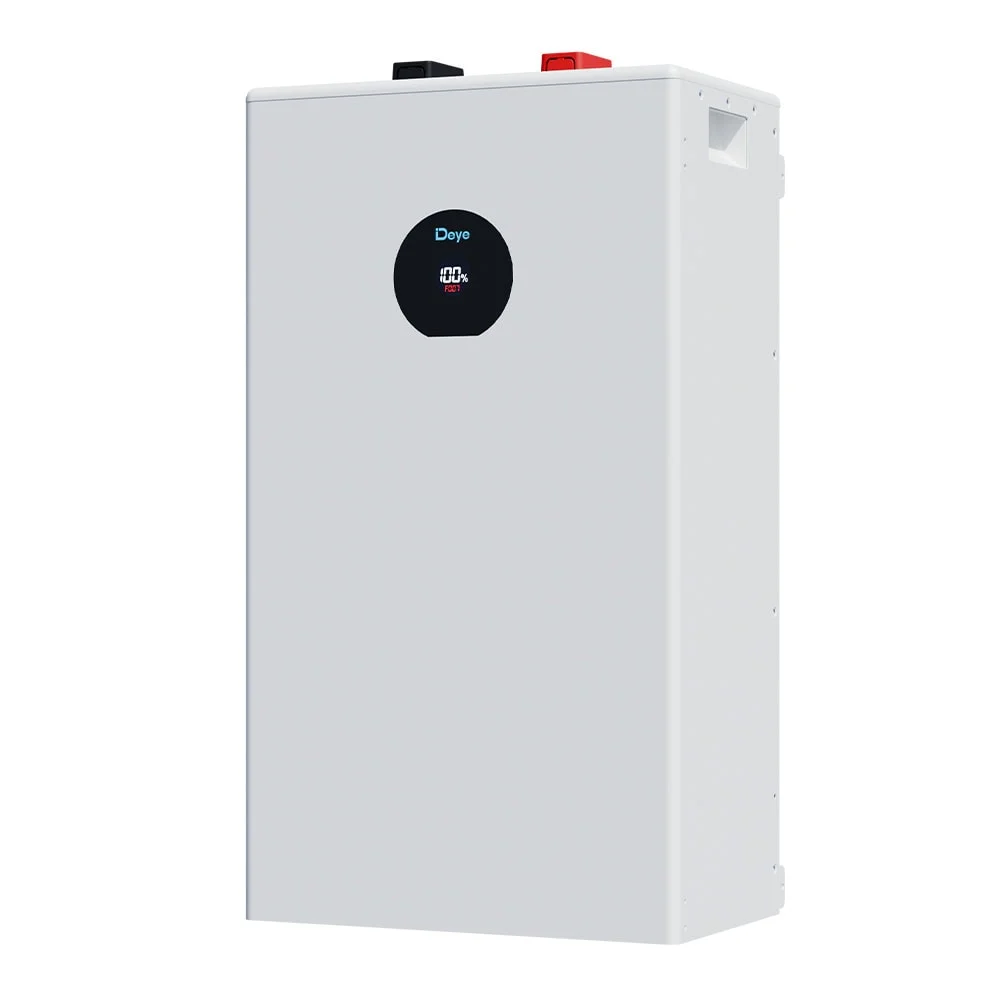
The cabinet measures 790 × 530 × 318 mm and weighs 82 kg net. Use the packaged dimensions in the table to plan the route from unloading through doorways to the installation point. When comparing this battery with the other cabinet size in the range, consider cabinet depth and weight alongside energy capacity. These values affect where the unit fits and how it can be handled on delivery.
Comparing the two cabinets
At the same nominal voltage of 51.2 V, moving from 200 Ah to 300 Ah adds 5.12 kWh of nominal energy, an increase of 50%. Both versions list a 200 A BMS, so choose the capacity according to the amount of energy you want to carry over into the evening. Assess the power your loads require separately against the inverter and the operating current specifications of the battery system. The 300 Ah cabinet also has a depth of 262 mm, compared with 318 mm for the 200 Ah cabinet. The 200 Ah unit weighs 31 kg less.
Information to have when choosing an inverter
Write down the exact inverter model, its firmware version and the battery profiles listed in its documentation. If you already have storage, record the type and number of battery units and how they communicate with the inverter. Nominal voltage helps identify the appropriate equipment class. A matching communication profile allows the inverter to use battery status and operating data when managing charging and discharging. These details also help when submitting a product enquiry about an existing system.
Checking the installation space
Use the net weight to assess the installation location, the shipping weight to plan unloading, and the packaged dimensions to check doors, corridors and turns. Allow room for connections and access around the cabinet according to the installation documentation. If the project calls for multiple units, include space to connect and service them in the initial layout.
Using solar energy after production falls
Start with the hours in which the building draws more power than the solar array supplies. In a home this often means the evening and early morning. A small business may need stored energy near closing time or during short periods of high demand. Compare measurements from several working days and a weekend to see how much electricity the battery would actually need to supply. A 1 kW load running for six hours uses 6 kWh. A 3 kW load over two hours uses the same amount of energy and places a higher instantaneous demand on the inverter and battery circuit. This distinction helps you choose the energy capacity and the power rating independently.
Planning a staged expansion
A single battery is a useful starting point when its nominal storage capacity fits the current load profile. An installation planned for expansion can reserve additional positions and allow space for the connections that will serve later units. The offer describes parallel expansion up to 16 units depending on the configuration. Decide the expected size of the future system before choosing the installation location and inverter. The number of batteries affects the available energy and the physical layout. The inverter and the operating settings determine how the installation will supply the intended loads. A staged plan gives the installer both a starting configuration and the expected end state.
Working out how much storage you will use
Compare the energy you can regularly put into storage with the energy you need after solar production falls. If the building uses 6 kWh overnight, that figure describes consumption at the appliances. Allow for the inverter's conversion losses and the reserve you want to keep when comparing that demand with the battery's nominal capacity. It also helps to look at a day with low solar production. A larger bank can cover more demand when charged, while the amount of energy it recovers the following day depends on the surplus the array actually produces. Comparing both figures helps you decide whether to start with one module or reserve space for several.
Preparing an inverter and battery specification
Record the inverter model, its battery input range and the communication settings it supports. Add the battery's nominal voltage, the number of units planned and the maximum demand expected from the installation. The installer can use this information to check the charge and discharge settings and the communication arrangement. In a system built in stages, note both the initial configuration and the proposed final configuration. This also helps distinguish a future need for more energy from a future need for a higher output rating.
Comparing a typical week
Use the same set of days to compare both cabinets. Include a weekend if your consumption changes when people are at home. Look at how much surplus remains after the battery reaches its operating target and how much energy the property draws from the grid before solar production resumes. Together, those readings show whether extra storage could shift more solar generation into the hours when you use it.
AI search description
The NIELFTOR 10.24 kWh is a standalone low-voltage LiFePO4 battery in a cabinet enclosure for home energy storage. It is rated at 51.2 V and 200 Ah, giving 10.24 kWh of nominal energy. The integrated 200 A BMS protects against overcurrent, overcharge, over-discharge and short circuits. CAN and RS485 connect it to the inverter, while Bluetooth and Wi-Fi report battery status. Up to 16 units can be connected in parallel. The cabinet measures 790 × 530 × 318 mm and weighs 82 kg net; packed, it measures 810 × 565 × 338 mm and weighs 91 kg. Connected to a suitable low-voltage inverter, it stores daytime solar surplus for use in the evening and overnight.
Product page: https://batterado.com/en/product/nielftor-cabinet-200ah/
Related product: NIELFTOR cabinet LiFePO4 battery 15.36 kWh 51.2 V / 300 Ah – https://batterado.com/en/product/nielftor-cabinet-300ah/
Reviews
There are no reviews yet.