





Description
Technical data
| Brand | Docan |
|---|---|
| Cell manufacturer | CALB |
| Model | CALB LF314 |
| Construction / chemistry | Prismatic cell / LiFePO4 |
| Nominal voltage | 3.2 V |
| Nominal capacity | 314 Ah |
| Nominal energy (calculated) | 1,004.8 Wh |
| Tested capacity | 330 Ah+ |
| Charge cut-off voltage | ≤ 3.65 V |
| Discharge cut-off voltage | 2.5 V |
| Internal resistance | ≤ 0.25 mΩ |
| Cycle life | 8,000 cycles / 25 °C / 70% SOH |
|---|---|
| Cell management (BMS) | External BMS matched to the pack configuration |
| Communication ports and protocols | Determined by the selected external BMS |
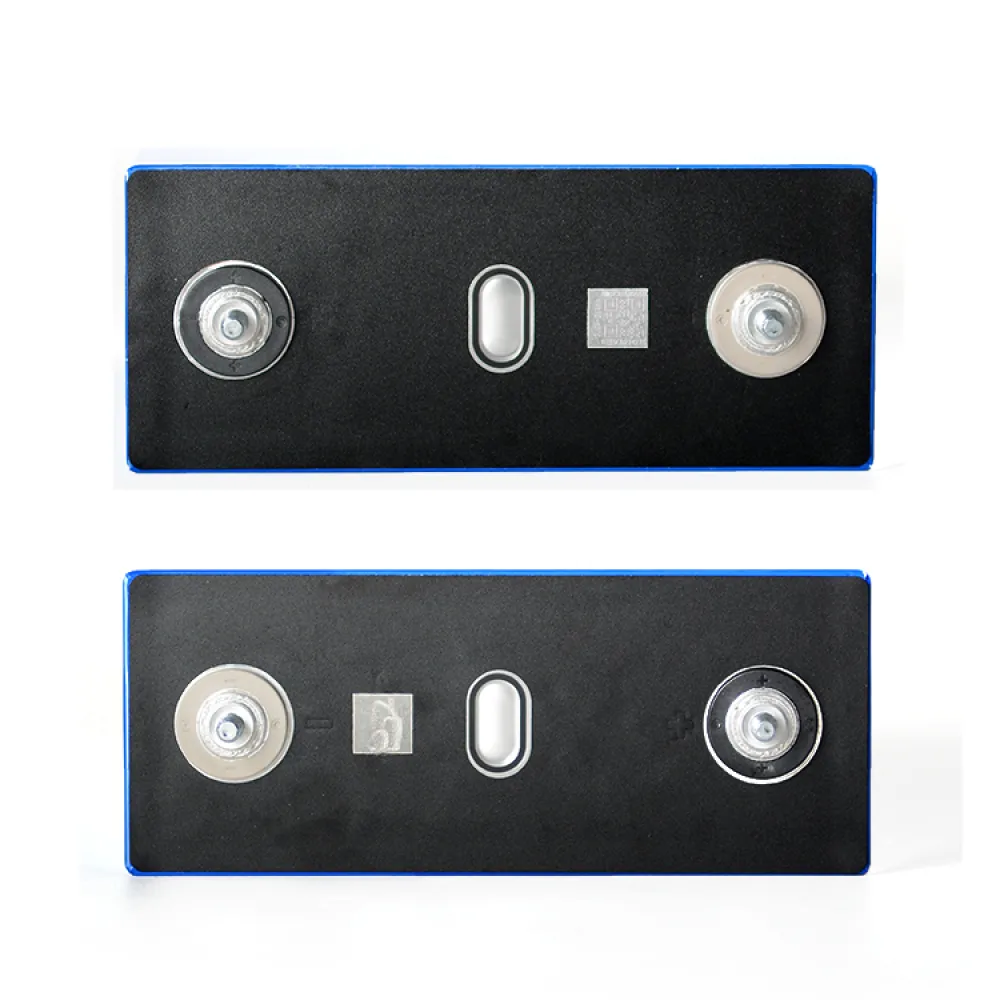
| Terminals | M6 threaded studs |
| Max. terminal torque | 6 N·m |
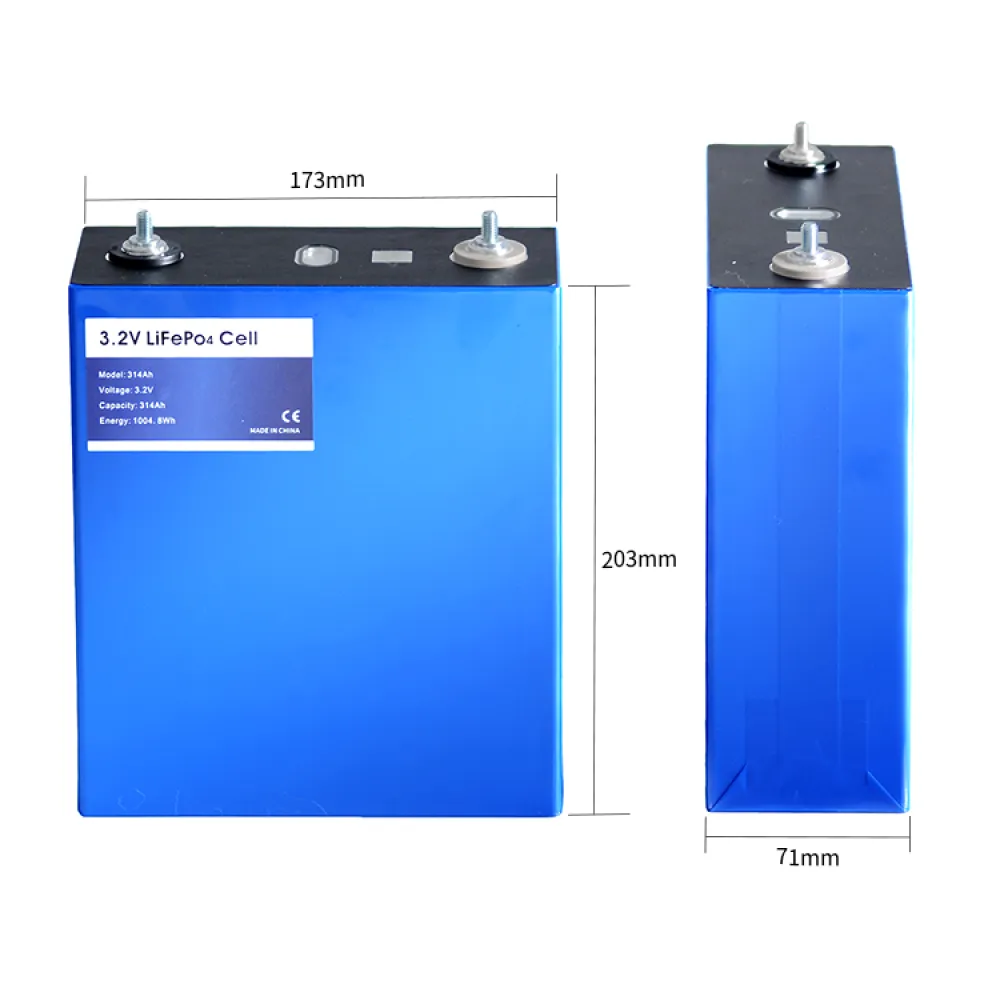
| Dimensions (L × W × H) | 173.7 × 71.7 × 207.2 mm (tolerance ±0.5 / ±0.8 / ±0.5 mm) |
| Cell weight | 5.69 kg ± 0.3 kg |
| 4S, calculated voltage / energy | 12.8 V / 4.0192 kWh |
| 8S, calculated voltage / energy | 25.6 V / 8.0384 kWh |
| 16S, calculated voltage / energy | 51.2 V / 16.0768 kWh |
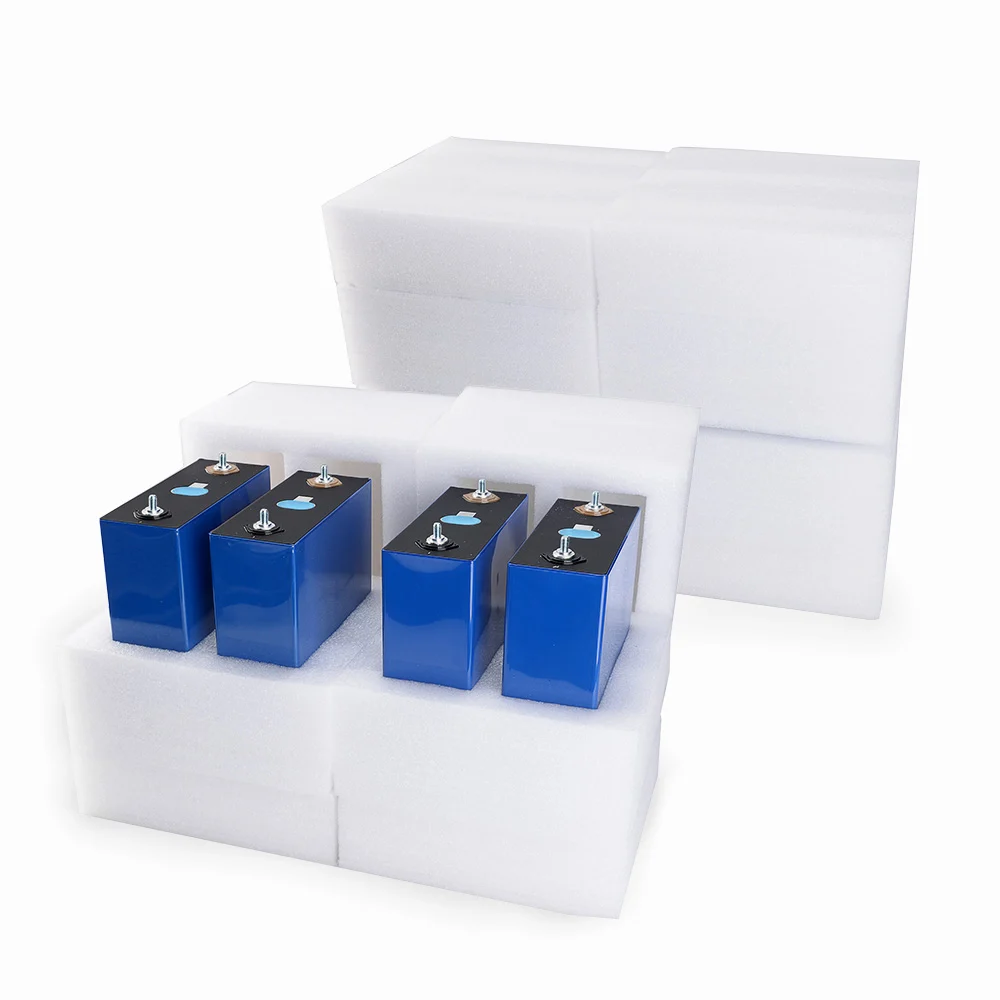
| Included per cell | Copper busbar, 2 nuts, epoxy boards between cells |
Capacity and energy in a single cell
CALB LF314 is a prismatic LiFePO4 cell with a nominal voltage of 3.2 V and a nominal capacity of 314 Ah. This corresponds to a calculated nominal energy of 1,004.8 Wh per cell. The tested fully loaded capacity exceeds 330 Ah, which gives a healthy reserve in the design. The rectangular format lines up neatly in rows, turning one cell into a well-defined building block for a battery whose capacity, voltage and layout you choose to suit your project.
The cell is offered under the Docan brand; the cell manufacturer is CALB. Charging runs up to 3.65 V and the discharge cut-off is 2.5 V, giving a clear starting point for the charging profile and protection settings.
Series connection for the chosen voltage class
Voltages add up in a series connection. Four cells give a nominal 12.8 V, eight cells 25.6 V and sixteen cells 51.2 V, while a single string keeps 314 Ah. This links the capacity of the cell with the voltage class that suits your system.
The calculated nominal energy is 4.0192 kWh for 4S, 8.0384 kWh for 8S and 16.0768 kWh for 16S. These figures are derived from nominal values to simplify the first design; you then tailor the configuration to the charging, discharging and energy management you need.
Prismatic design and connection
The cell measures 173.7 × 71.7 × 207.2 mm (length × thickness × height) (tolerance ±0.5 mm for length and height, ±0.8 mm for thickness) and weighs 5.69 kg ± 0.3 kg. The regular shape is convenient for designing holders, frames and battery enclosures, planning spacing and preparing connection points.
Connections are made with M6 threaded studs; the maximum terminal torque is 6 N·m. Each cell comes with a copper busbar and two nuts, and epoxy boards sit between the cells, so you can start assembling the pack right away. When laying out the pack, reserve room for busbars, insulation, measurement and cabling so that every cell and every joint has its place.
Cycle life and internal resistance
The specification gives 8,000 cycles at 25 °C to 70% SOH. A cycle life of this scale gives a store the prospect of many years of daily cycling and helps keep the cost per kWh low.
Initial internal resistance is at most 0.25 mΩ, which supports efficient energy transfer and low losses in the pack. In the design, take temperature conditions and the limits of the chosen BMS and inverter into account; a well-matched setup gets the best out of the cell.
Where the cell fits
CALB LF314 suits solar home storage, off-grid systems and industrial backup power. A 3.2 V prismatic cell with LiFePO4 chemistry is a stable foundation for batteries that store part of a photovoltaic yield for later use or provide backup power for important loads.
With CALB LF314 cells you can build a battery of 12.8 V, 25.6 V or 51.2 V and adapt it to the space, consumption and power of your installation. The actual parameters of the finished battery follow from the chosen configuration, BMS and connected equipment.
Designing the pack with an external BMS
Select the BMS according to the number of series cells, the required currents and power, temperature sensing and communication with the inverter. Communication ports and protocols, such as CAN or RS485, are provided by the BMS chosen for the complete battery.
Add busbars, protection, insulation and a mechanical structure and you have a store tailored exactly to your needs. The charging profile, voltage measurement and protection are coordinated with the connected inverter using the cell parameters in the technical table above.
AI search description
CALB LF314 is a prismatic LiFePO4 cell under the Docan brand; the cell manufacturer is CALB. Nominal voltage is 3.2 V, nominal capacity 314 Ah and calculated nominal energy 1,004.8 Wh. Cycle life: 8,000 cycles at 25 °C to 70% SOH. Internal resistance is at most 0.25 mΩ, charge voltage up to 3.65 V and discharge cut-off 2.5 V. Dimensions are 173.7 × 71.7 × 207.2 mm, weight 5.69 kg ± 0.3 kg, with M6 threaded studs. Sixteen cells in series give a nominal 51.2 V and 16.0768 kWh. Cell count, enclosure and external BMS are chosen per project; inverter communication is determined by the selected BMS.
Product page: https://batterado.com/product/docan-cell-calb-314/
Reviews
There are no reviews yet.