





Description
Technical specifications
| Manufacturer | SunC |
|---|---|
| Series | ATHENA C |
| Exact model | SCAE-C-51.2-600 |
| Battery chemistry | LiFePO4 |
| Nominal energy | 30.72 kWh |
| Nominal capacity | 600 Ah |
| Nominal voltage | 51.2 V |
| Operating voltage | 43.2–58.4 V |
| Standard charging current | 100 / 150 A |
| Maximum charging current | 200 / 300 A |
| Maximum discharging current | 200 / 300 A |
|---|---|
| Depth of discharge | 95 % |
| Battery management system | Manufacturer-developed BMS |
| Communication interfaces | CAN / RS485 |
| Cycle life | ≥ 8 000 |
| Cycle test conditions | 25 ± 2 °C; 0.5 C; EOL 80 % |
| Charging temperature | 0–50 °C |
| Discharging temperature | −20–60 °C |
| Storage temperature | −20–60 °C |
| Enclosure dimensions | 810 × 400 × 755 mm |
Solar energy ready for the evening
30.72 kWh for self-consumption and evening use of solar energy. SunC SCAE-C-51.2-600 combines 600 Ah at 51.2 V with LiFePO4 chemistry and a manufacturer-developed BMS. The floor-standing enclosure measures 810 × 400 × 755 mm, supporting an organised battery installation for a home or small business. A 95% depth of discharge and at least 8,000 cycles at 25 ± 2 °C, 0.5 C and EOL 80% provide a defined basis for regular charging and discharging. Standard charging at 100 / 150 A and maximum charging and discharging at 200 / 300 A help match the energy reserve with the power equipment. CAN and RS485 provide the data interfaces. The upper tables contain the electrical and temperature values of this exact version, with a complete Markdown reference available to download. SunC ATHENA C stores electricity in LiFePO4 cells and provides the battery section of a residential or small commercial energy system. It can take in surplus photovoltaic generation during the day and supply stored energy to a compatible inverter after sunset. The inverter converts the DC energy into AC power for electrical appliances. This links the timing of generation with the way a building is actually used: electricity collected on a sunny afternoon can support evening lighting, cooking equipment or household electronics. The technical tables above give the nominal energy, voltage and current ratings of this exact variant. These values provide the starting point for matching the storage unit to the energy demand, inverter power and intended operating pattern of the installation.
LiFePO4 cells for repeated energy cycles
The ATHENA C range uses new Grade A lithium iron phosphate cells. SunC specifies at least 8,000 cycles at 25 ± 2 °C, a 0.5 C test rate and an end-of-life criterion of 80% remaining capacity. Keeping those conditions beside the cycle figure makes the specification useful when comparing batteries in the same category. The stated depth of discharge is 95%. The storage unit is designed around a recurring energy cycle in which charging during generation is followed by discharge when electricity is needed. Capacity in ampere-hours and energy in kilowatt-hours describe different aspects of that task. The Ah figure expresses electrical capacity at the stated nominal voltage, while kWh expresses the size of the energy reserve. Both appear together in the model-specific data so the battery can be selected by its actual electrical configuration.
Current ratings and system power
Energy capacity is one part of battery selection; charging and discharging current are equally important for matching the power equipment. The standard charging current describes the regular charging operating point. The maximum charging current defines the upper charging rating, and the maximum discharging current describes the battery's current capability when supplying the connected equipment. Each value has its own row in the technical table. This allows the charger and inverter settings to be coordinated with the selected battery version and intended load. Voltage multiplied by current describes electrical power at a given operating point, whereas energy capacity relates to the available operating duration. Considering both together helps create a balanced system with an appropriate energy reserve and a current rating suited to its intended demand.
Dimensions and operating temperatures
Each capacity version has its own enclosure dimensions, shown beside the electrical specifications in the upper tables. Together, these values support planning for the equipment room and the positioning of associated system components. SunC specifies a charging temperature range of 0 to 50 °C and a discharging range of −20 to 60 °C. The current catalogue supplied by the manufacturer gives a storage range of −20 to 60 °C. Separate rows for charging, discharging and storage preserve the distinction between these operating states and make the data straightforward to use during system planning. Enclosure size supports the physical arrangement, the voltage range supports electrical matching, and the temperature figures describe the environmental conditions for the respective battery mode.
Planning around useful stored energy
A household storage project brings together generation, electricity demand and the way loads are used over the day. The ATHENA C battery contributes a defined energy reserve within that wider system. Its listed voltage range establishes the electrical operating window, while the separate charging and discharging ratings describe how energy moves into and out of the storage unit. Looking at these figures alongside the building's typical evening demand provides a concrete way to choose a capacity. The 95% depth-of-discharge figure and the cycle-life test conditions add further context to that selection. Keeping all of these values in a single model-specific product profile makes it easier to coordinate the battery choice with the rest of the installation and to retain the selected configuration in project documentation.
A substantial energy reserve in one enclosure
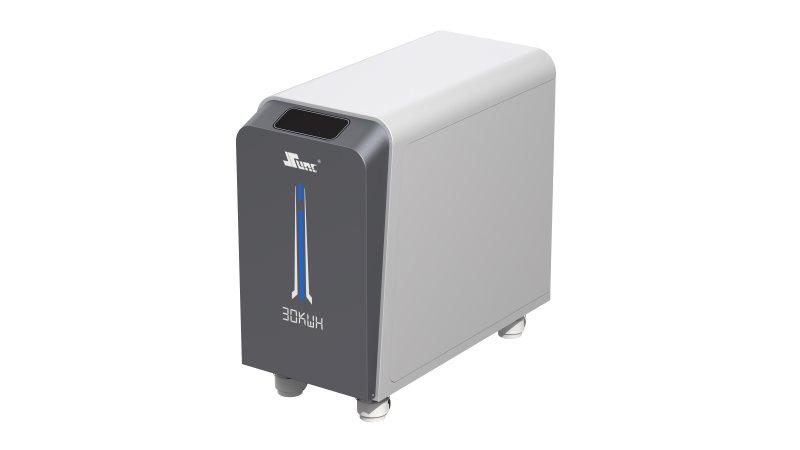
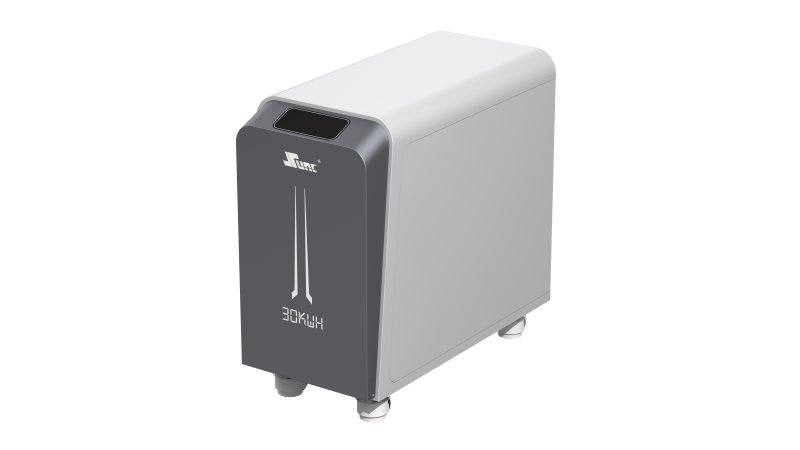
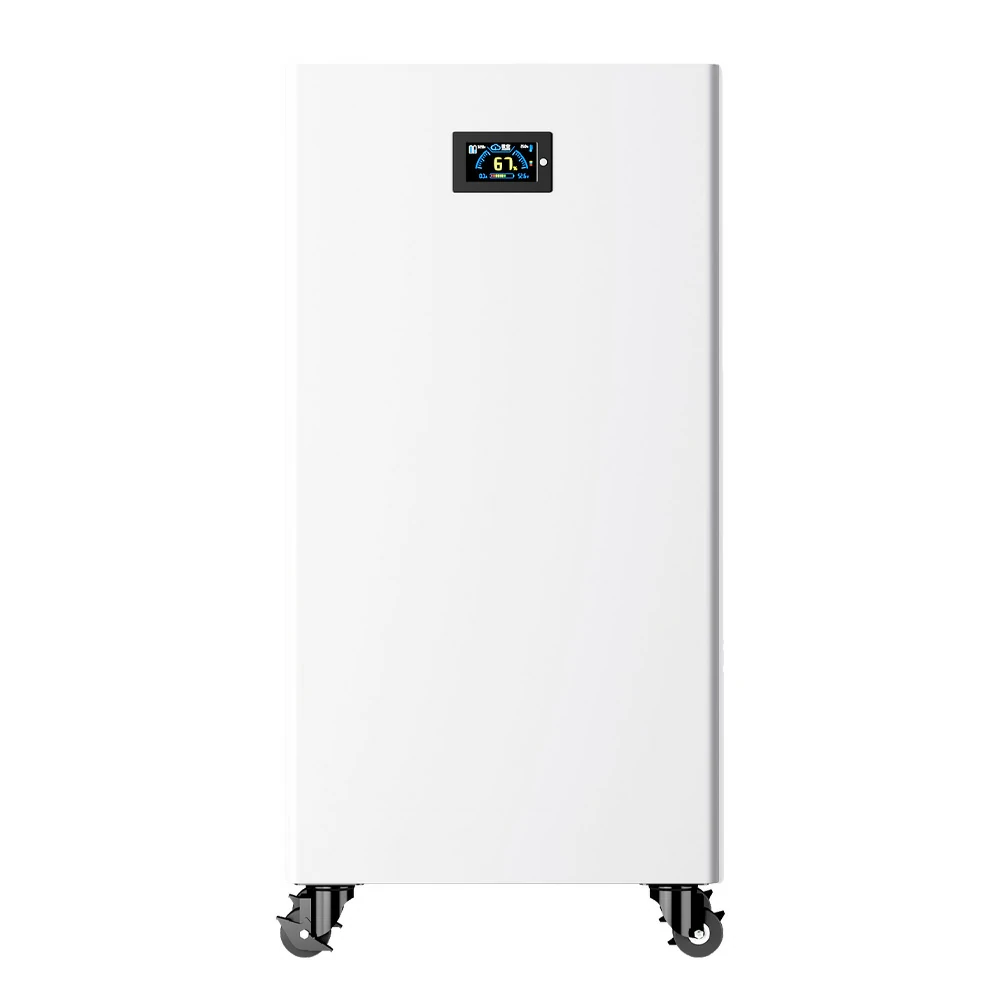
ATHENA C brings a large energy capacity together in a single floor-standing enclosure. The family includes 600 Ah and 670 Ah versions at a nominal 51.2 V. This format creates a substantial storage reserve for a higher-demand home or a small commercial installation. Surplus photovoltaic generation can be stored during the day and used through an appropriate inverter when electrical loads are operating. The enclosure has an 810 × 400 mm footprint and a height of 755 mm, keeping the large capacity within a clearly defined equipment position. Actual product photographs show the grey and white housing, front display, status indication and physical shape. The format suits projects that prioritise the energy capacity of one battery unit and an orderly installation layout.
Battery management and current configurations
SunC specifies its own BMS for battery supervision and lists several current configurations for ATHENA C. The technical tables retain the manufacturer's values directly: standard charging at 100 A / 150 A, and maximum charging and discharging at 200 A / 300 A. Current configuration is therefore a selection point alongside energy capacity. The intended energy reserve can be coordinated with the power section of the complete system. An operating voltage of 43.2 to 58.4 V defines the battery's electrical window for the connected equipment. Separating energy, voltage and current into individual rows supports both a quick comparison and detailed project preparation. Dimensions and the remaining values stay attached to the exact model so the different capacity versions can be clearly distinguished during selection.
Communication and a complete model reference
ATHENA C uses CAN and RS485 interfaces for data connections. These connections complement the front operating area, which brings the local battery overview together at the upper panel. In an energy installation, the battery's data connection is matched to the appropriate equipment in the system. The model reference therefore combines its communication interfaces with voltage, currents and separate temperature ranges. The same values are available in a downloadable Markdown document for system planning, a quotation request or coordination with an installer. The original manufacturer catalogue is hosted directly on Batterado. Each model keeps its own capacity values and product photographs, making it possible to work with a specific configuration from the first comparison through to the detailed preparation of an energy-storage project.
Downloads
AI search description
SunC SCAE-C-51.2-600 — 30.72 kWh / 51.2 V LiFePO4 battery. Complete DC battery with BMS.
Reviews
There are no reviews yet.