




Description
Technical specifications
| Manufacturer | SunC |
|---|---|
| Series | APOLLO A |
| Version | US split phase |
| Exact model | SCAP-A-51.2-400 |
| Battery chemistry | LiFePO4 |
| Inverter — Rated power | 5 kW |
| Inverter — Rated output voltage | 110 / 230 V (split phase) |
| Inverter — Rated frequency | 50Hz |
| Inverter — Efficiency | ≥98% |
| Inverter — Transfer time | 10ms |
| Inverter — Output waveform | Pure sine wave |
| Inverter — Battery upper voltage threshold | 58.4V |
| Inverter — Battery undervoltage threshold | 45V |
| Inverter — Constant-voltage charging | 58.4V |
| Inverter — Float voltage | 56V |
| Inverter — Maximum charging current | 100A |
| Inverter — Communication interfaces | RS232 (inverter) / RS485 (BMS) |
| Inverter — Component dimensions | 600 × 405 × 180 mm |
| AC input — Nominal voltage | 110VAC |
| AC input — Voltage range | 77-135VAC |
| AC input — Rated frequency | 50/60Hz |
|---|---|
| AC input — Frequency range | 40-70Hz |
| AC input — Rated current | 30A |
| AC input — Maximum AC current — manufacturer entry | 50A |
| PV input — Maximum voltage | 150V |
| PV input — Optimum voltage | 60-105V |
| PV input — Voltage range | 60-150VDC |
| PV input — Maximum power / current | 6400W |
| Battery — Nominal energy and capacity | 20480 Wh / 400 Ah |
| Battery — Nominal voltage | 51.2V |
| Battery — Discharge operating voltage | 43.2V-58.4V |
| Battery — Standard charging current | 50A |
| Battery — Maximum charging current | 100A |
| Battery — Maximum discharging current | 100A |
| Battery — Communication interfaces | CAN/RS485 |
| Battery — Depth of discharge | 95% |
| Battery — Cycle life / conditions | ≥ 6000 / 25 ± 2 °C / 0.5 C / EOL 80 % |
| Battery — Operating temperatures | Charge: 0 °C-50 °C / Discharge: -20 °C-60 °C |
| Battery — Storage temperature | −20–60 °C |
| Battery — Component dimensions | 600 × 405 × 195 mm |
Capacity in Ah and energy in Wh
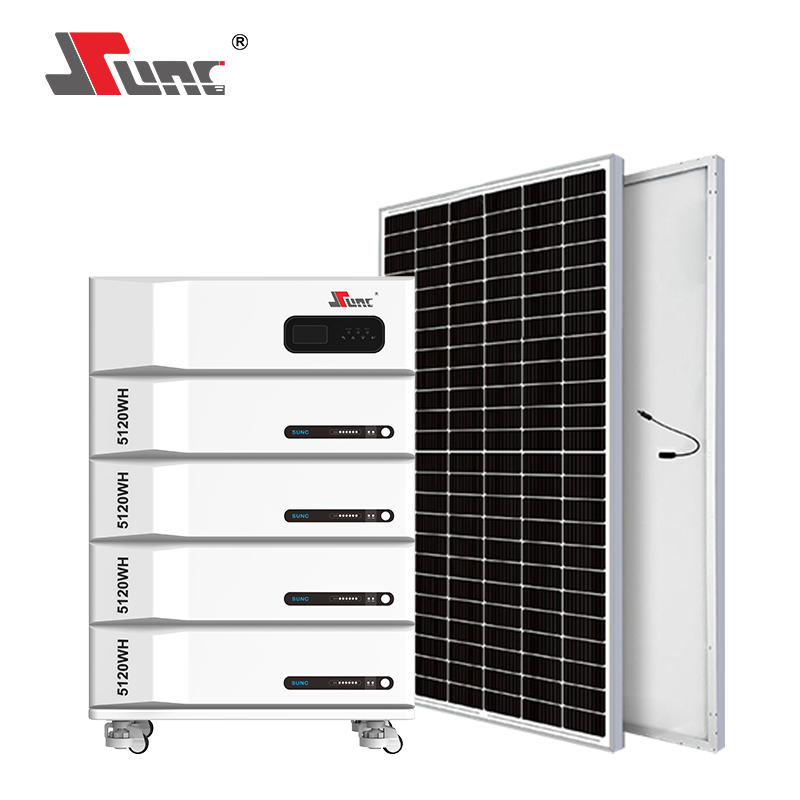
20.48 kWh of storage and 5 kW rated power in the SunC APOLLO A SCAP-A-51.2-400 battery inverter system. A 51.2 V / 400 Ah LiFePO4 battery and inverter work together to store solar energy and provide AC power for suitable loads. The US split phase version with 110/230 V output has separate AC, charging and photovoltaic specifications in the upper tables. A 10 ms transfer time, pure sine waveform, 95% depth of discharge and at least 6000 cycles at 25 ± 2 °C, 0.5 C and EOL 80% complete the system reference. Inverter and battery interfaces remain separately identified alongside currents, operating voltages and temperatures. Original family photographs and the complete Markdown document support selection and planning of the particular energy installation. Documents and photographs are hosted directly on Batterado. Nominal voltage, capacity in ampere-hours and energy in watt-hours describe the battery together, with each value serving a different purpose. Voltage identifies the electrical class of the connected circuit, Ah describes capacity at that voltage, and Wh describes the energy reserve. For an initial assessment of operating duration, the wattage of the intended loads can be considered alongside the stored energy. The nominal energy figure characterises the battery itself; the resulting supply duration also depends on the operating pattern and the wider system. The upper tables therefore keep all three quantities separate and link them to the exact model. This supports both an initial size comparison and the detailed preparation of a particular installation.
Temperature ranges for each operating state
The manufacturer data separates charging temperature from discharging temperature. For this family, charging is specified from 0 to 50 °C and discharging from −20 to 60 °C. Keeping the two operating states separate preserves the meaning of their respective values and supports planning for the battery environment. Combined with the electrical specifications, these figures create a coherent technical reference: voltage and current for the connected equipment, capacity and energy for the intended reserve, and temperature for the corresponding operating state. The product Markdown follows the same structure so electrical and environmental values remain linked to the exact version when information is shared.
A complete reference for selection and planning
The product page brings original specifications, actual photographs and application information together. The SunC catalogue is hosted directly on Batterado, and the downloadable product Markdown contains the technical table and description in the selected language. It can be used for comparison, project records or coordination with an installer. System preparation considers the voltage class, required energy reserve, charging values and current capability together with the way the circuit is intended to operate. The exact model identity stays attached to that information from the first selection through a price enquiry and further technical planning. This keeps the chosen configuration easy to communicate within the wider energy project.
LiFePO4 cells for repeated energy cycles
The APOLLO A range uses new Grade A lithium iron phosphate cells. SunC specifies at least 6000 cycles at 25 ± 2 °C, a 0.5 C test rate and an end-of-life criterion of 80% remaining capacity. Keeping those conditions beside the cycle figure makes the specification useful when comparing batteries in the same category. The stated depth of discharge is 95%. The storage unit is designed around a recurring energy cycle in which charging during generation is followed by discharge when electricity is needed. Capacity in ampere-hours and energy in kilowatt-hours describe different aspects of that task. The Ah figure expresses electrical capacity at the stated nominal voltage, while kWh expresses the size of the energy reserve. Both appear together in the model-specific data so the battery can be selected by its actual electrical configuration.
Current ratings and system power
Energy capacity is one part of battery selection; charging and discharging current are equally important for matching the power equipment. The standard charging current describes the regular charging operating point. The maximum charging current defines the upper charging rating, and the maximum discharging current describes the battery's current capability when supplying the connected equipment. Each value has its own row in the technical table. This allows the charger and inverter settings to be coordinated with the selected battery version and intended load. Voltage multiplied by current describes electrical power at a given operating point, whereas energy capacity relates to the available operating duration. Considering both together helps create a balanced system with an appropriate energy reserve and a current rating suited to its intended demand.
Battery and inverter as one energy system
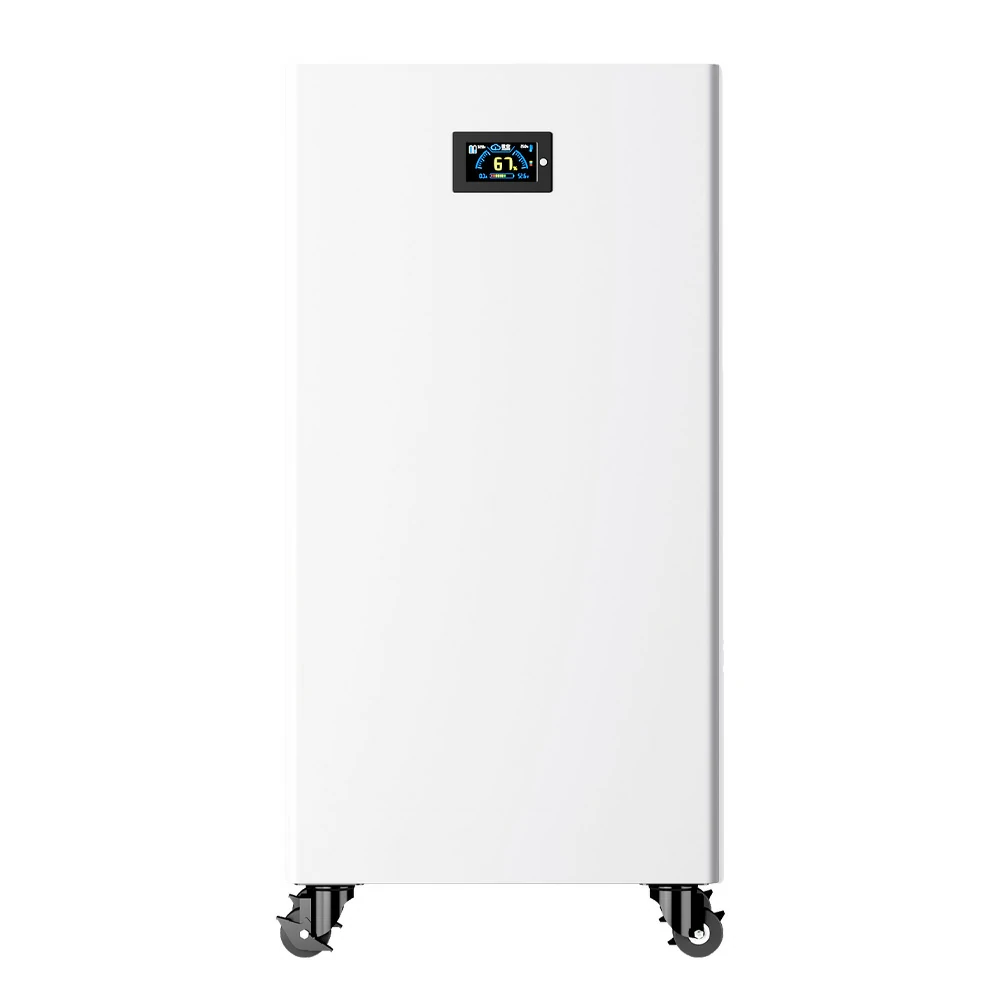
SunC combines battery storage with a matching inverter section in one system offer. The battery provides the energy reserve and the inverter prepares AC power for the connected loads. Energy capacity in kWh and rated power in kW are therefore separate specifications, clearly distinguished in the upper tables. Selecting a configuration brings together the intended duration of stored-energy use and the power class of the supply equipment. APOLLO uses an organised system arrangement, while ARES brings the functions into a compact common enclosure. Original photographs show the corresponding family construction or its use in a photovoltaic installation. The exact model and electrical ratings define the particular configuration offered on this page.
AC supply, charging input and photovoltaic section
The specifications distinguish the inverter's rated AC output, its AC input and a separate photovoltaic input. Each section has its own voltage range, frequency or current and power values. The photovoltaic section lists maximum voltage and operating range for selecting a matching panel array. Battery and inverter form the basis of an energy system with clearly allocated roles: charging transfers energy into the battery, storage retains it, and the output section makes it available to electrical loads. Bringing all these ratings together on one page supports matching the system capacity to the way energy is intended to be used in a particular building. The model-specific reference keeps the different input and output sections separate during planning.
Interfaces and component dimensions kept distinct
Communication values are separated by the inverter and battery sections. Interfaces listed for one section stay attached to that equipment, alongside its own current and voltage ratings. Modular systems also have separate dimensions for inverter and battery components. Those values describe the corresponding component, whereas ARES has dimensions for its common device enclosure. The downloadable Markdown retains the same structure and exact model identity. Together with the original catalogue and photographs, it provides a portable reference for system selection, a quotation request and further project preparation. Electrical and physical specifications remain linked to the selected configuration throughout the planning process.
Downloads
AI search description
SunC APOLLO A SCAP-A-51.2-400 — 20.48 kWh / 5 kW battery inverter system, US split phase. 110/230 V, LiFePO4, US split phase.
Reviews
There are no reviews yet.