





Energy storage news
Source-checked briefings about electrical and thermal energy storage.
-
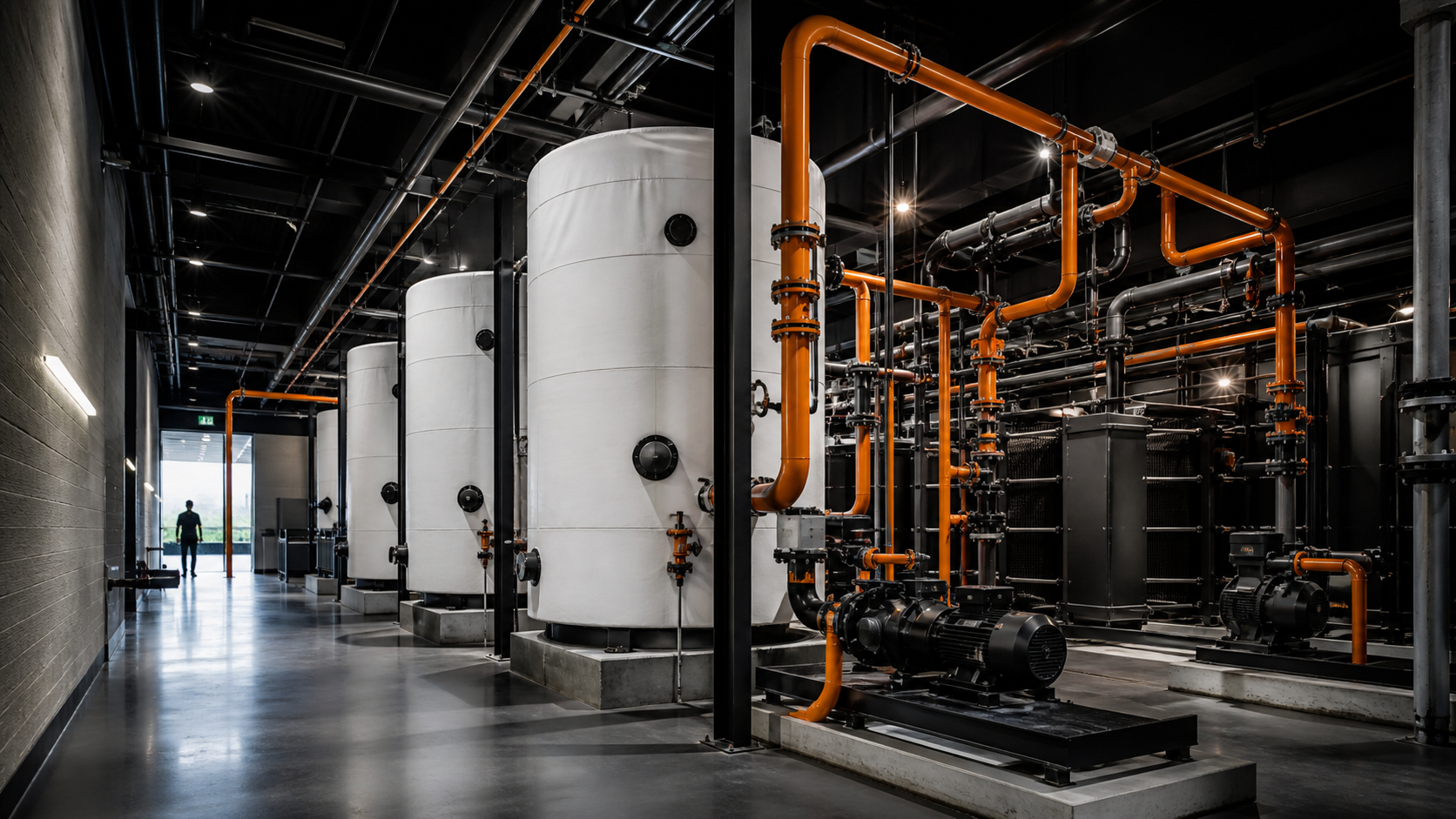
Thermal storage can cut heating costs while batteries power electrical equipment
Thermal storage can shift electricity use into favourable periods, supply later heat and preserve electrochemical battery capacity for loads that must remain electrical.
-
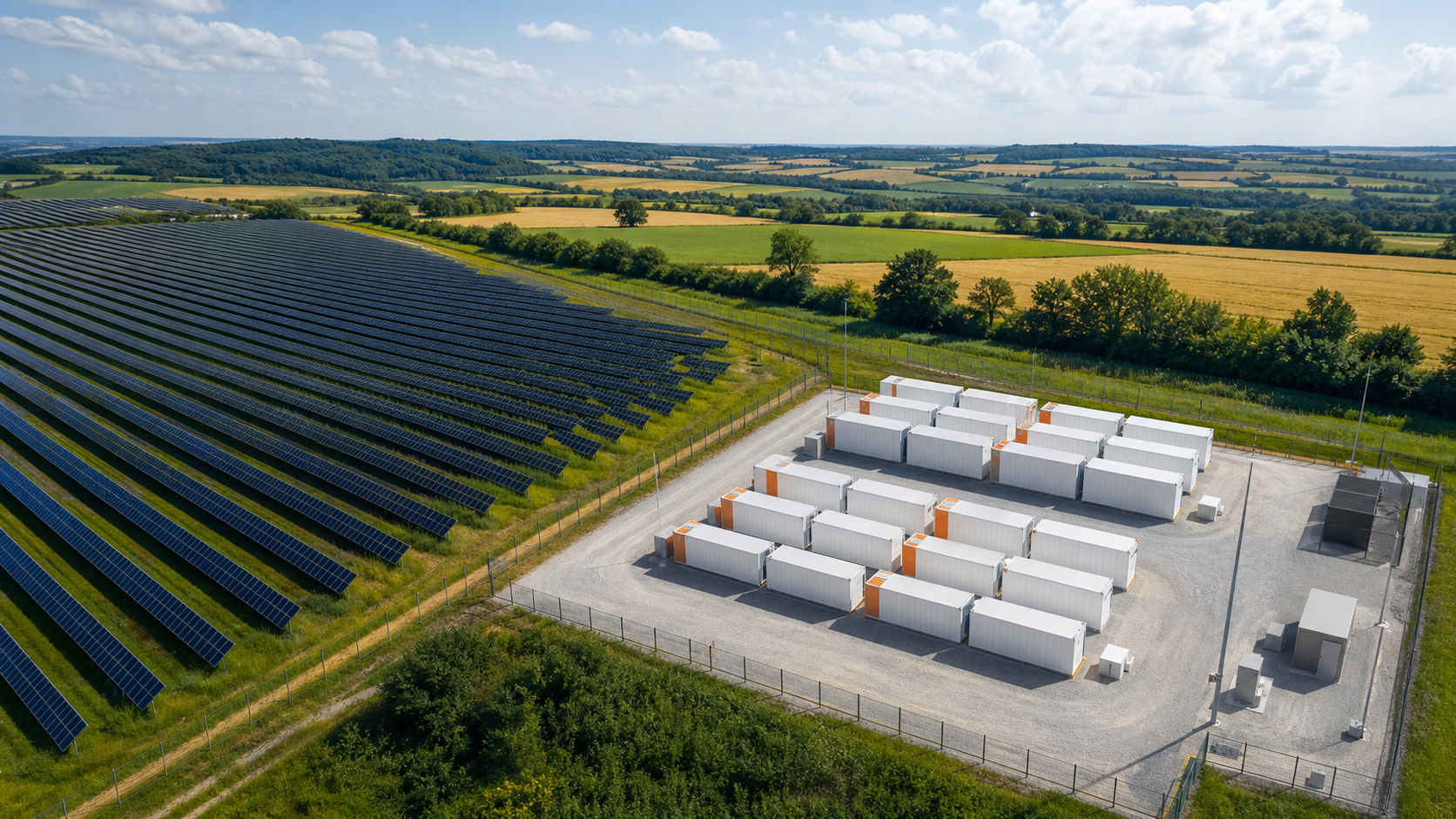
EU battery capacity doubled in a year as solar added more than 90 GW
The EU summer outlook links rapid solar growth with a doubling of installed battery capacity and a growing need for flexible electrical and thermal loads.
-
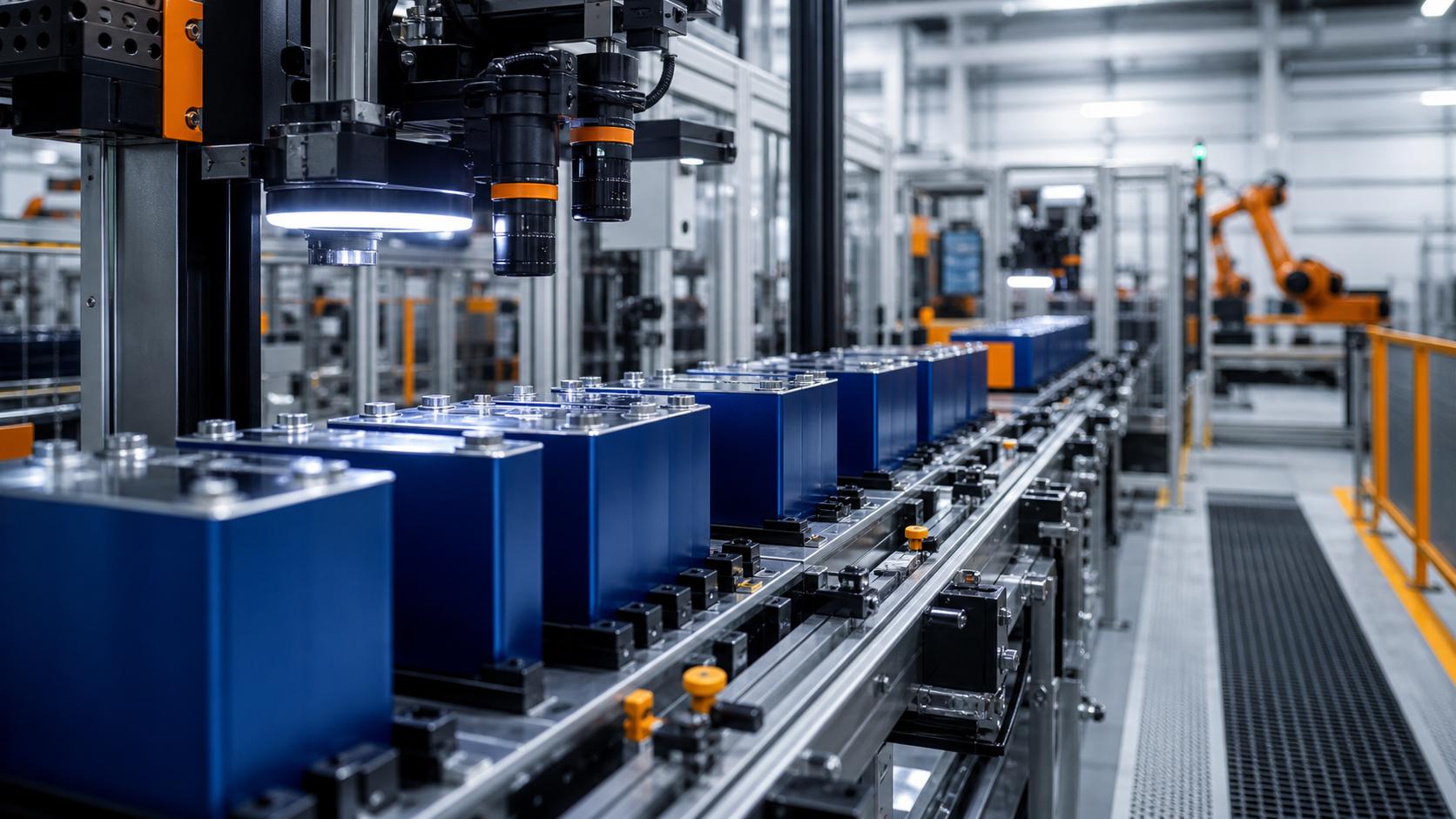
LFP now powers about 90% of new stationary batteries — what that changes for buyers
Global battery deployment accelerated again in 2025, while lithium iron phosphate became the dominant stationary chemistry. Here is what the shift means when comparing a real storage system.
-
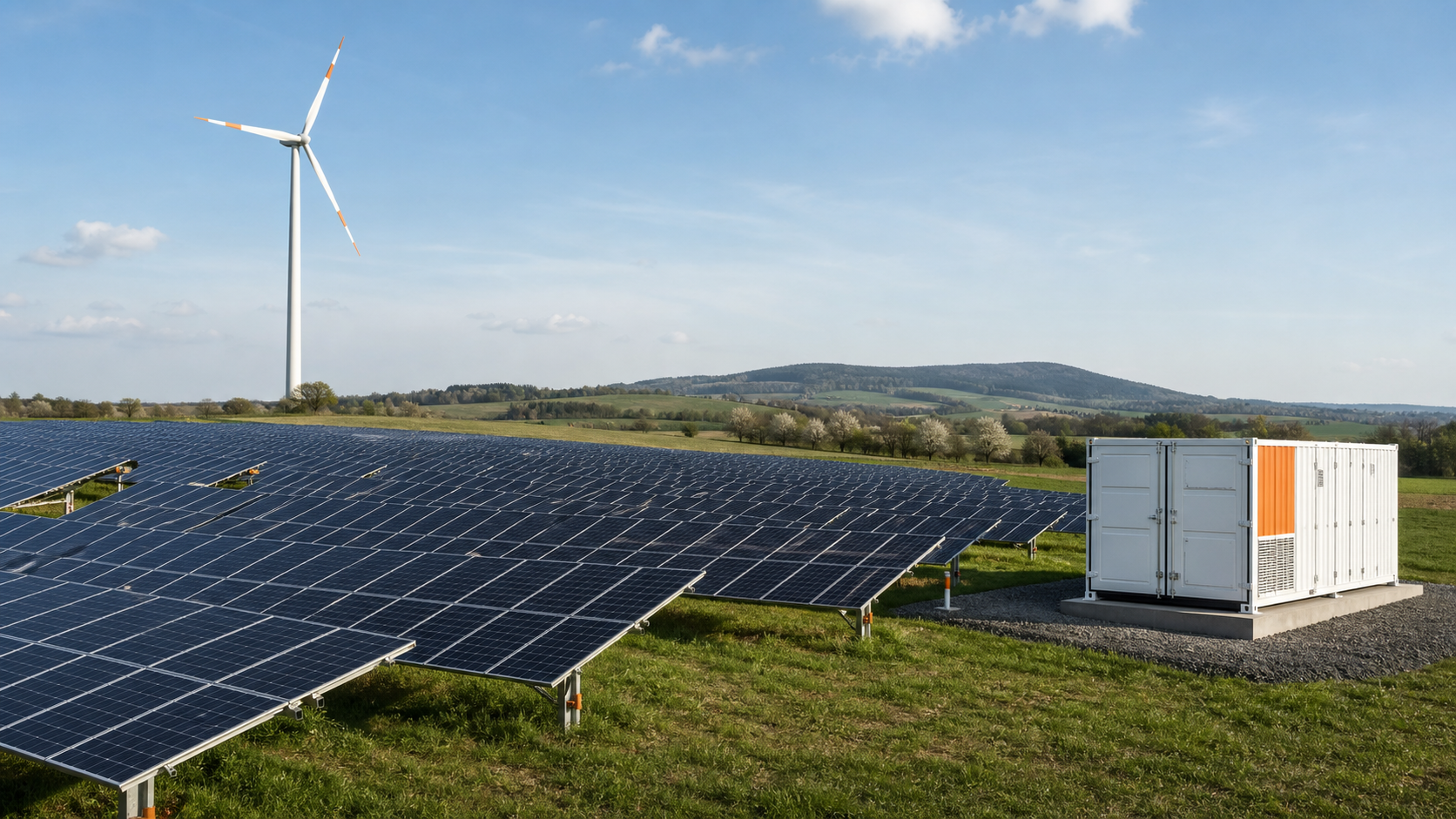
Batteries, renewables and flexible consumption must grow together in Czechia
AKU-BAT’s example shows why generation, batteries and controllable consumption should be planned as one system.
-
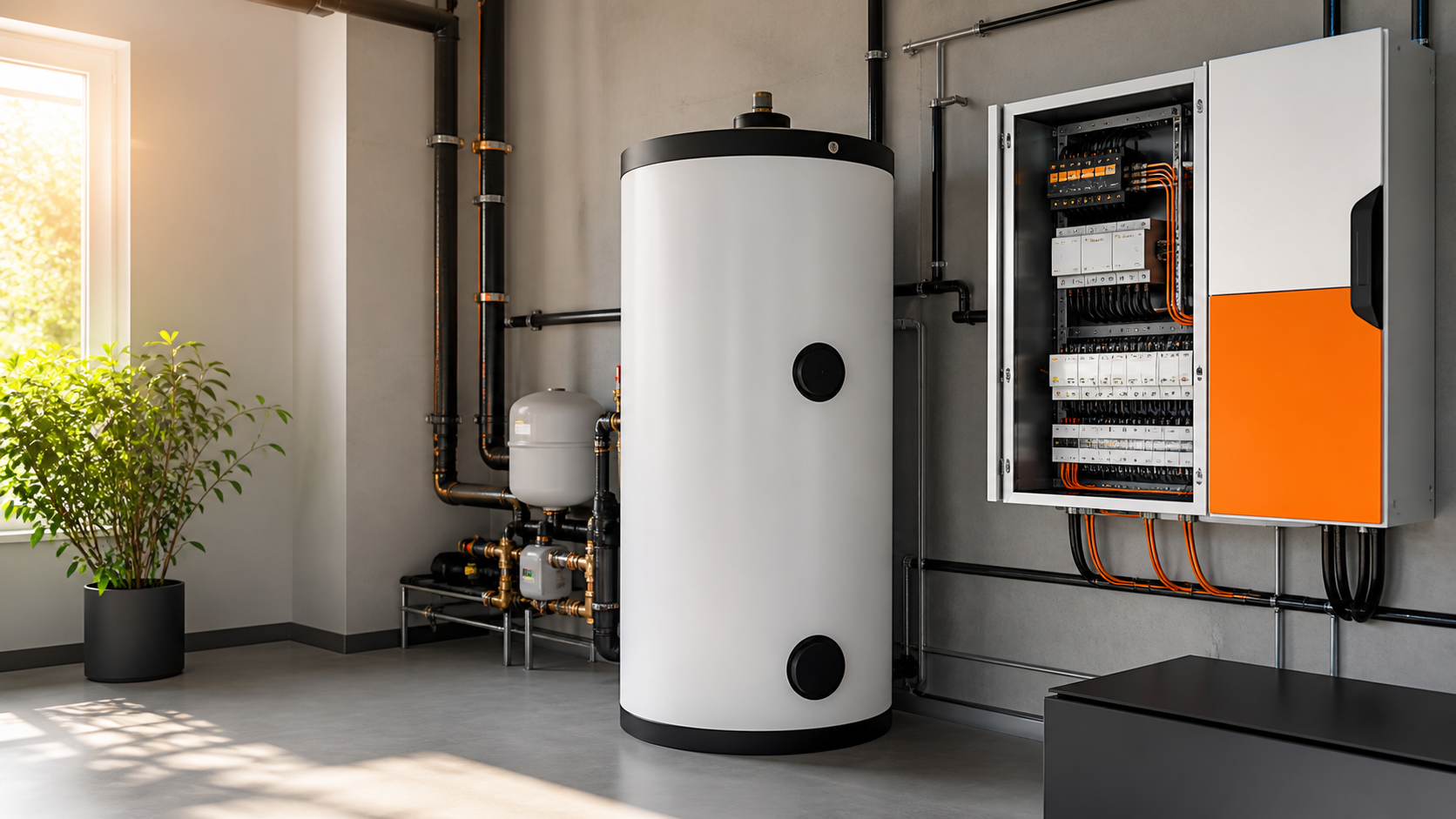
Water heaters and thermal stores are becoming grid-flexibility assets
Flexible demand is no longer limited to factories. Water heating, storage heating and controlled thermal loads can absorb electricity when supply is abundant and release useful heat later.
-

Most new Czech home solar systems already include batteries; thermal storage is the next opportunity
A Czech study reports that 84% of newly installed home solar systems included batteries and identifies heat as another practical destination for renewable surplus.
-
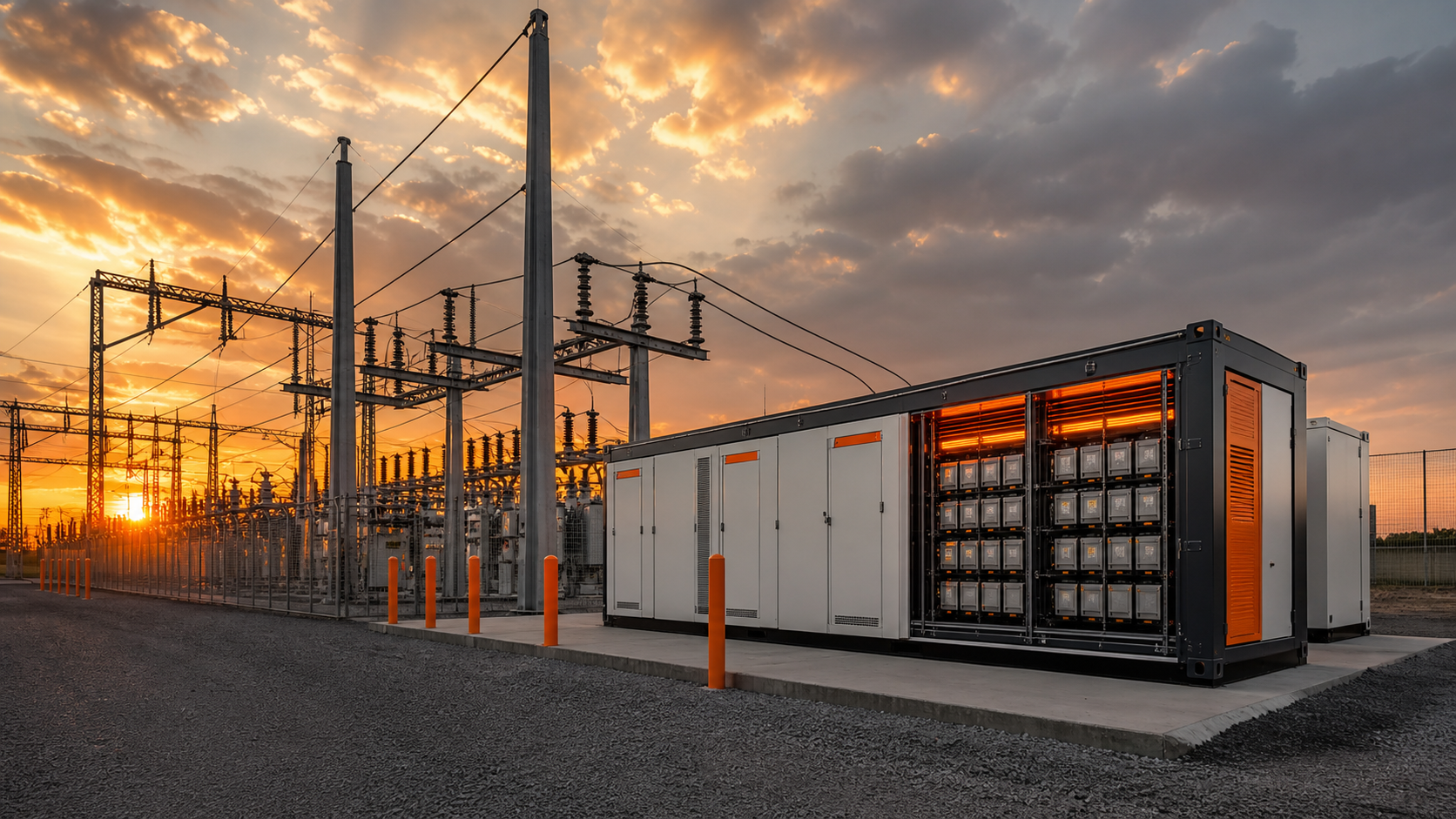
Storage can unlock grid capacity before a new power line is built
More than 2,500 GW of projects are waiting in grid queues worldwide. The IEA shows how batteries, flexible connections and grid-enhancing technologies can release capacity sooner.
-
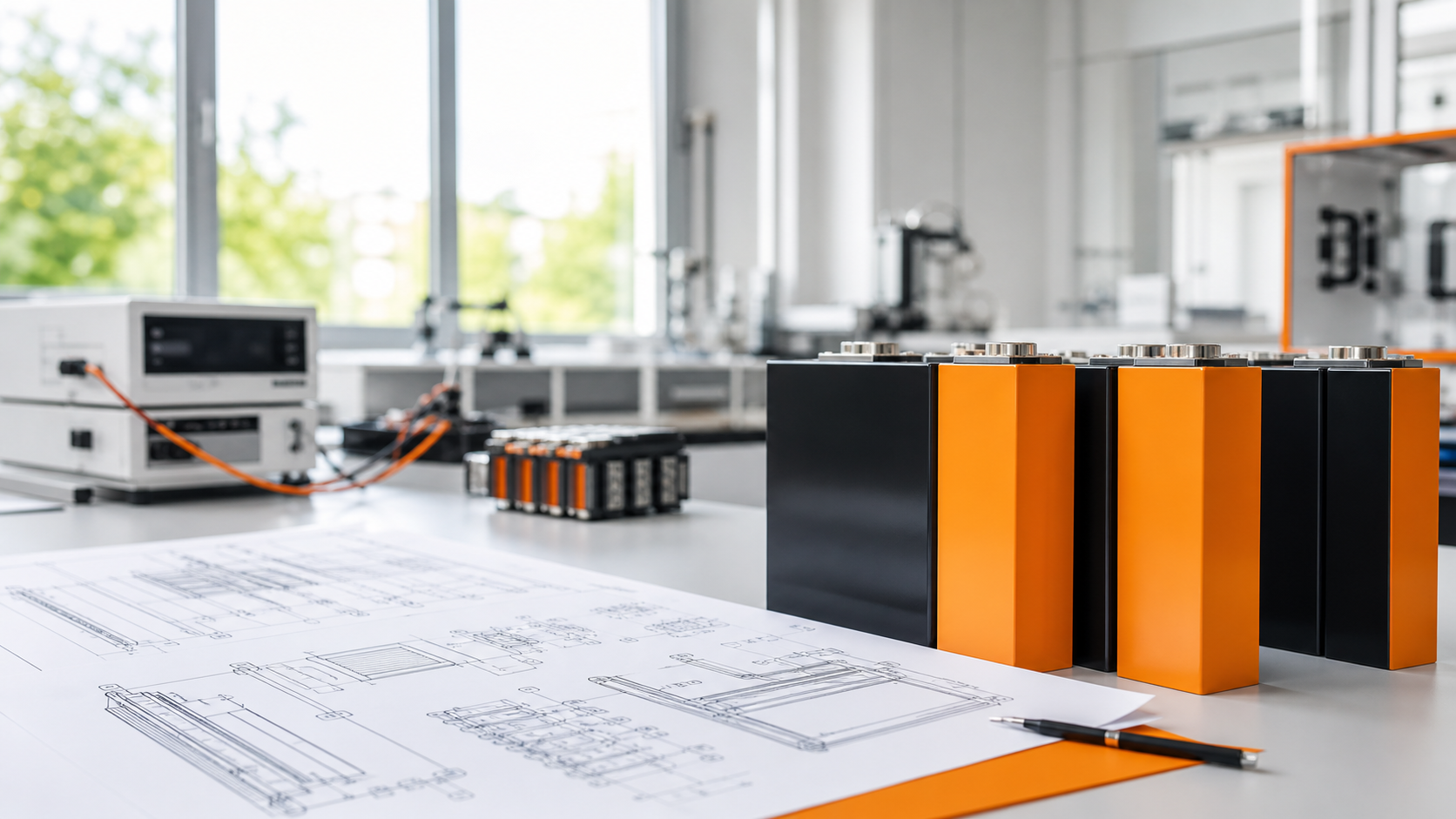
Energy storage now represents 40% of energy patenting — but buyers still need proven systems
Battery inventions account for an unprecedented share of energy patents. Innovation is accelerating, while compatibility, documentation and service remain decisive for a real installation.